Cape Town, South Africa, Monday 23 March 2026: Cape Town chef/restaurateurs Anouchka Horn and Neil Swart, who together have made a massive footprint on the South African dining scene with their intimate sustainability-forward South African restaurants Belly of The Beast, Galjoen and Seebamboes, have formed a hospitality group called The Belly Restaurant Group. In addition, the group will open three new restaurants in 2026: BURI, Quagga and No Show.
For a real taste of the local, BURI will take South Africa’s beloved street food, the juicy boerewors roll off the street and into a more upmarket yet relaxed and funky indoor setting, prepared with the same focus on quality ingredients and nostalgic flavours as the group’s other restaurants. Just below Galjoen and Seebamboes, BURI will become the group’s third eatery at 99 Harrington Street. One block away and across the street, Quagga will be the only Cape Town restaurant to focus exclusively on wild game, from venison to wild-caught game fish. No Show will be the group’s first à la carte restaurant, serving more casual but still “Belly-quality” food for walk-ins only. A key benefit to this expansion is the support the restaurants will be able to give each other in maximising whole animal usage and sustainable practices across the group.
“When most people think restaurant groups, they think big. We are quite consciously and deliberately a restaurant group comprised of small restaurants, each with a distinct concept, and we like it that way,” says Swart. None of the group’s three restaurants (nor those slated for the future) have more than 35 seats. Even more unusual, all sit within two city blocks, at the top of Harrington Street in Cape Town’s East City Precinct, once a somewhat gritty area of Cape Town. The proximity of the group’s restaurants to each other has made this expansion manageable for the partners, and there is no doubt that they have served as key anchors for the regeneration of the upper end of this now vibrant hub for culture, creativity and retail.
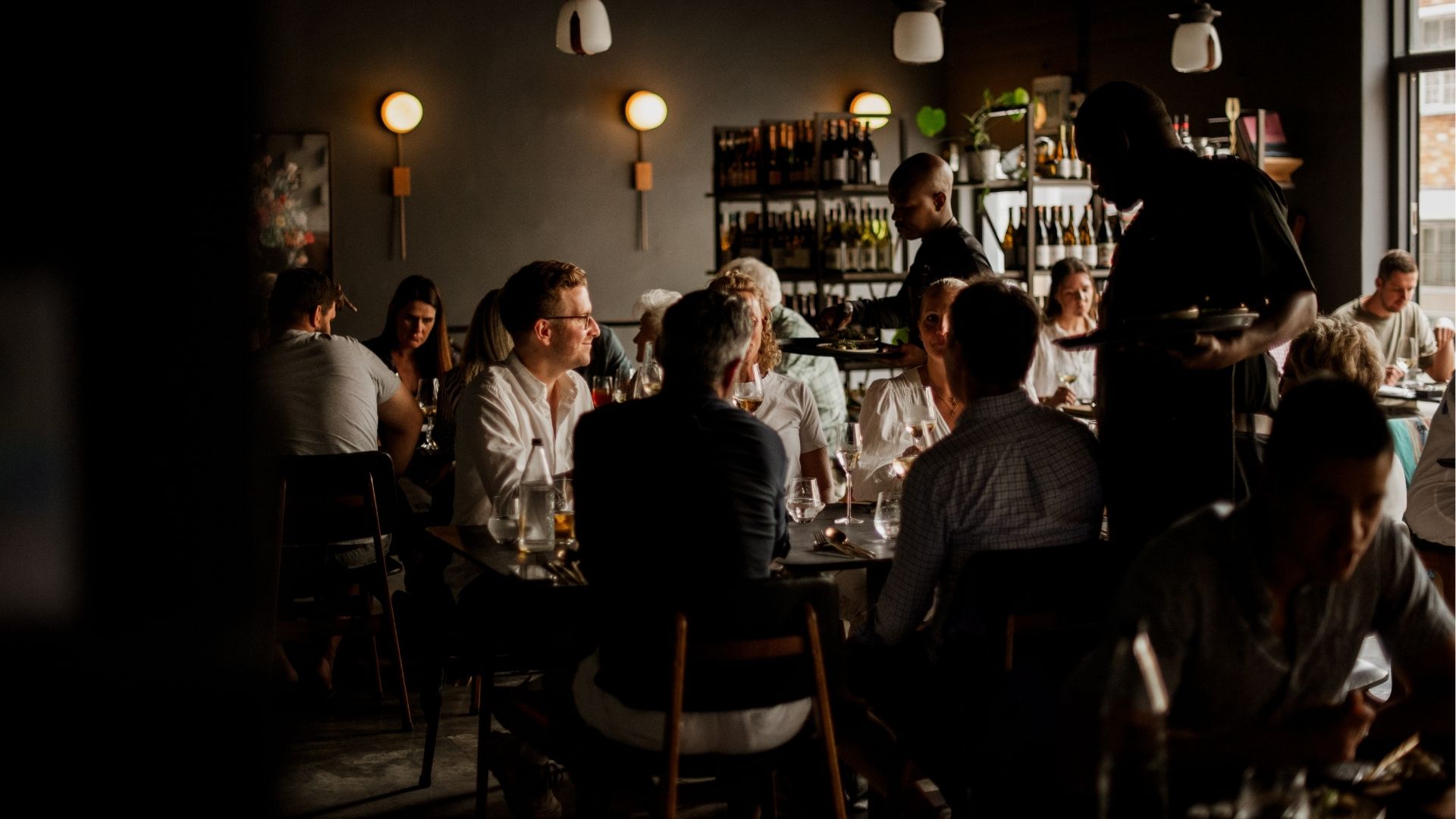
In Cape Town’s current era of shared plates, luxe dining and global culinary influence, the Belly restaurants stand out for their relaxed style of fine dining, with dishes directly derived from South African nostalgia and cooked from the heart. Horn and Swart had similar Afrikaans upbringings, with simple yet hearty, flavourful meals linked directly to family. “We have vivid memories of what it was like to be in our grandparents’ kitchens, and the feeling of love intertwined with food,” explains Horn. “My favourite thing to do is tap into tastes that are familiar, and then take them in a slightly unfamiliar direction. The end result still comes from memory and tastes like home, but it’s been given new life and modernity.”
The menus are peppered with playful memory-infused dishes made with locally sourced produce, like rooi-noodleslaai, inspired by the classic cold noodle salad often served at braais, alongside the meat. Belly of the Beast’s version is prepared with local fresh fish, spanspek, red onion, Padrón peppers and chilli oil. At Galjoen, a smoked snoek dip with kashimiri chilli oil and pickled onions is served with sweet potato chips. And at Seebamboes, Karoo lamb ribs marinated in a sardine garum are cooked over the fire and served with heirloom tomatoes.
In each restaurant, presentation is unfussy and while the dishes are visually beautiful, they always follow the rule of robust flavour first. “We’re not known for molecular gastronomy, foams, or gels,” expounds Swart. “We like natural food. Taking good ingredients and making them as delicious as possible. Nothing goes on the plate just because it sounds clever or looks interesting.”
Sustainability is a Way of Business
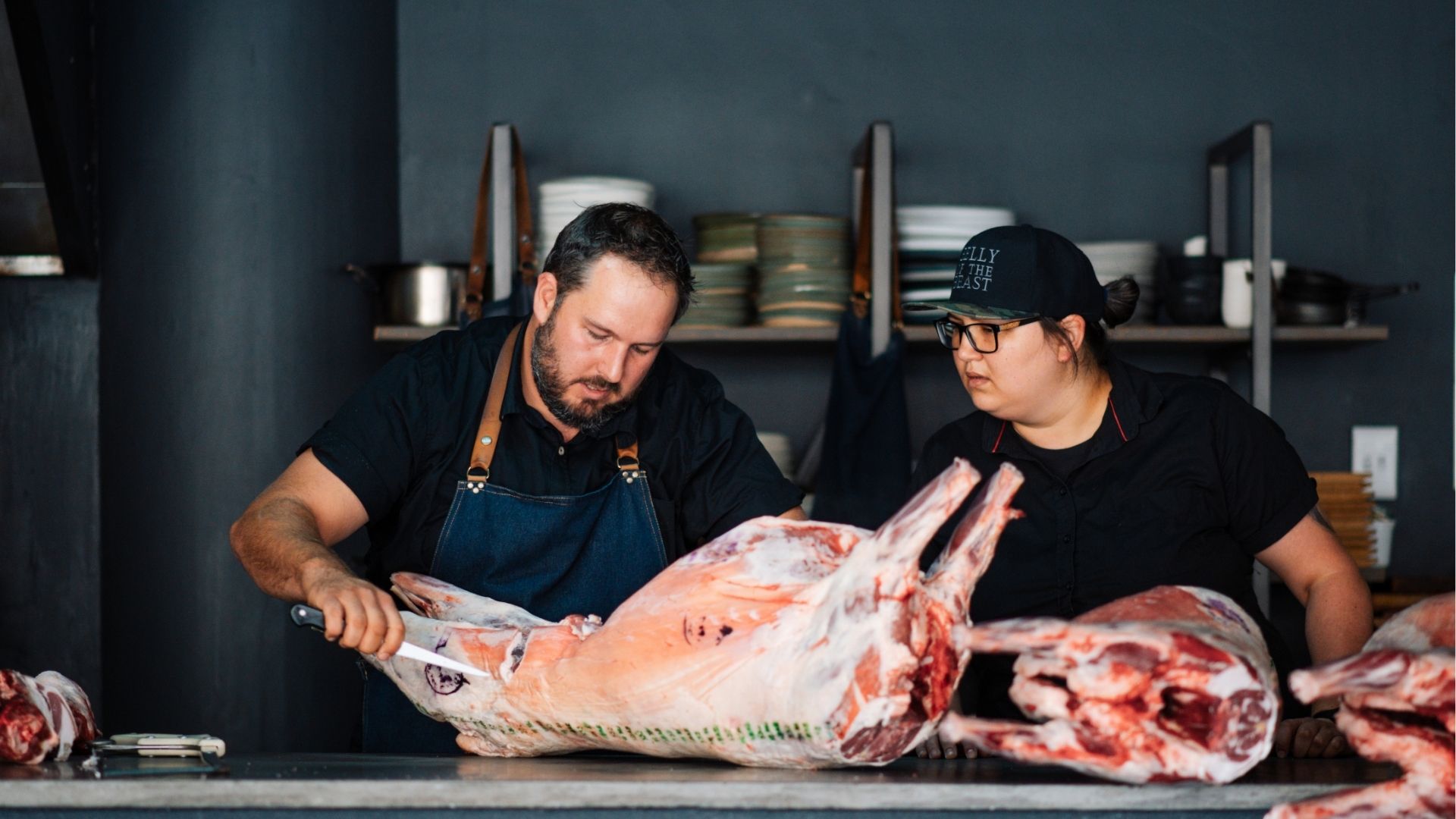
Sustainability of locally and ethically sourced produce is foundational and is a core tenet of the group. “We don’t source any proteins from outside South Africa’s borders, and over the years have established relationships with some very special suppliers,” says Swart. Like Bertie Coetzee from Lowerland Organic Farm, who first appeared on their radar in the early days when he dropped off wine samples from his farm located unexpectedly in Prieska in the Northern Cape. “When we did the research, we saw that this guy also does lamb, pork, beef, goat, pecan nuts, flour and mielie meal….he’s become one of our most important suppliers,” adds Horn.
From the start, the team has been committed to whole animal butchery, from land to sea animals, with the restaurants elevating some of the lesser known parts in exceptional dishes, along with the prized and more familiar loins, bellies and rumps. This goes way beyond what’s traditionally known as offal to include underrated cuts like cheeks, ribs and shanks, which all have wonderful flavour and texture when prepared properly. With strong supplier relationships and multiple restaurants, the group can put a whole animal mentality into its very best practice, using different parts of one animal in different restaurants for different types of dishes. These ingredients are not fancy per se: they often include so-called everyday foods like hake, snoek, beef shin or pumpkin, which when cooked with love and expertise become next-level. No matter the ingredient, whether animal or vegetable, the goal is always to keep waste to near zero.
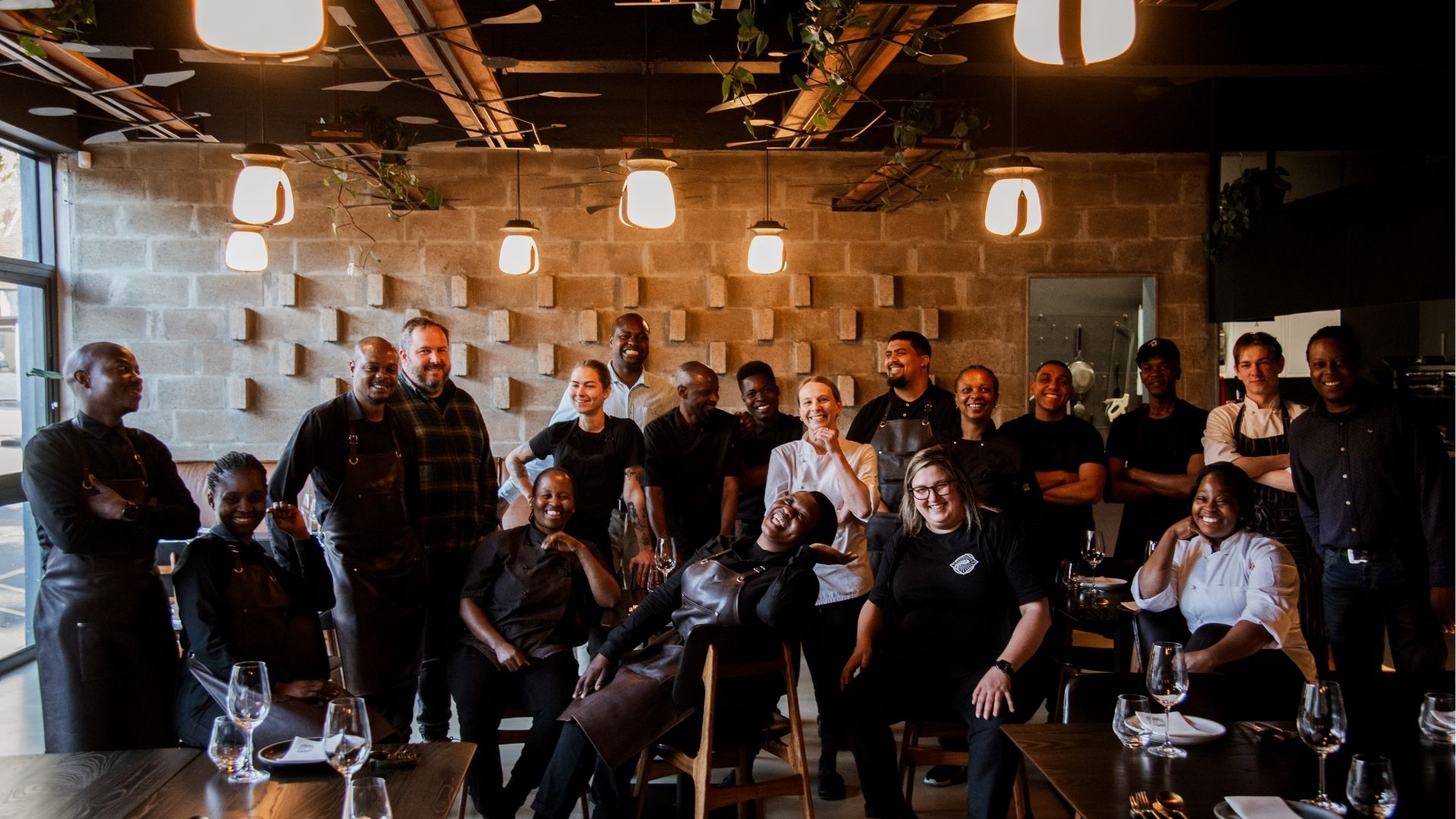
The human side of sustainability looms large as well with healthy employment practices as well in an industry that is extremely demanding physically and mentally. The group strives for balanced working hours, and closes for a break between Christmas and New Years. This prioritisation has nurtured a loyal staff, with minimal turnover.
Origin story: from friendship to business partners
Swart and Horn met in 2010 as fresh-faced interns at Terroir, the esteemed Michael Broughton restaurant on Kleine Zalze Wine Estate in Stellenbosch. The two bonded first over music, and soon realised they were also in sync when it came to their ideas around food and cooking.
Horn left Terroir to take a position in Wilderness, and Swart opened his own neighbourhood bistro called Arugula in Welgemoed (Cape Town’s Northern Suburbs), with Horn as sous chef, and a few years later, when Swart decided to open a second Arugula in Plettenberg Bay, Horn took on the role of head chef in Welgemoed.
Used to spontaneously bouncing ideas off each other and workshopping them together, the two felt quite disconnected in separate locations. “We find that years later, we don’t even remember whose idea a particular dish was…it’s like we have one brain,” says Swart. Eventually, he sold the Plett restaurant and returned to Cape Town. In the meantime, he and Horn had steadily built a big and enthusiastic following for the monthly food and wine pairing dinners they had been cooking at Arugula in Welgemoed.
“We were able to cook a whole new menu for each of those nights and be creative every time.” There was one seating, everyone ate the same thing at the same time and most of all, it was a personal and nostalgic expression of their childhood memories around food, with sustainable cooking always at its core. Not only were these dinners extremely popular, but they were joyful and exciting to Swart and Horn, and awakened a burning question: “Why not do this every night?” This was the birth of Belly of the Beast, a concept with regularly changing set menus that they knew required a more urban setting.
Location-hunting in Cape Town, they found their space on Harrington Street, an old bike shop with a rectangular configuration that was perfect for a restaurant with an open kitchen (a non-negotiable). The name was inspired by another space they viewed, which would have positioned the kitchen downstairs and visible to guests, they jokingly referred to it as The Belly of the Beast; ie the place where all the work is done. The name stuck, and in 2018, Belly of the Beast opened after a crowdfunding campaign a restaurant first in Cape Town, with a live show by Afrikaans rock band Fokofpolisiekar. It has been a hot culinary destination ever since.
Belly of the Beast
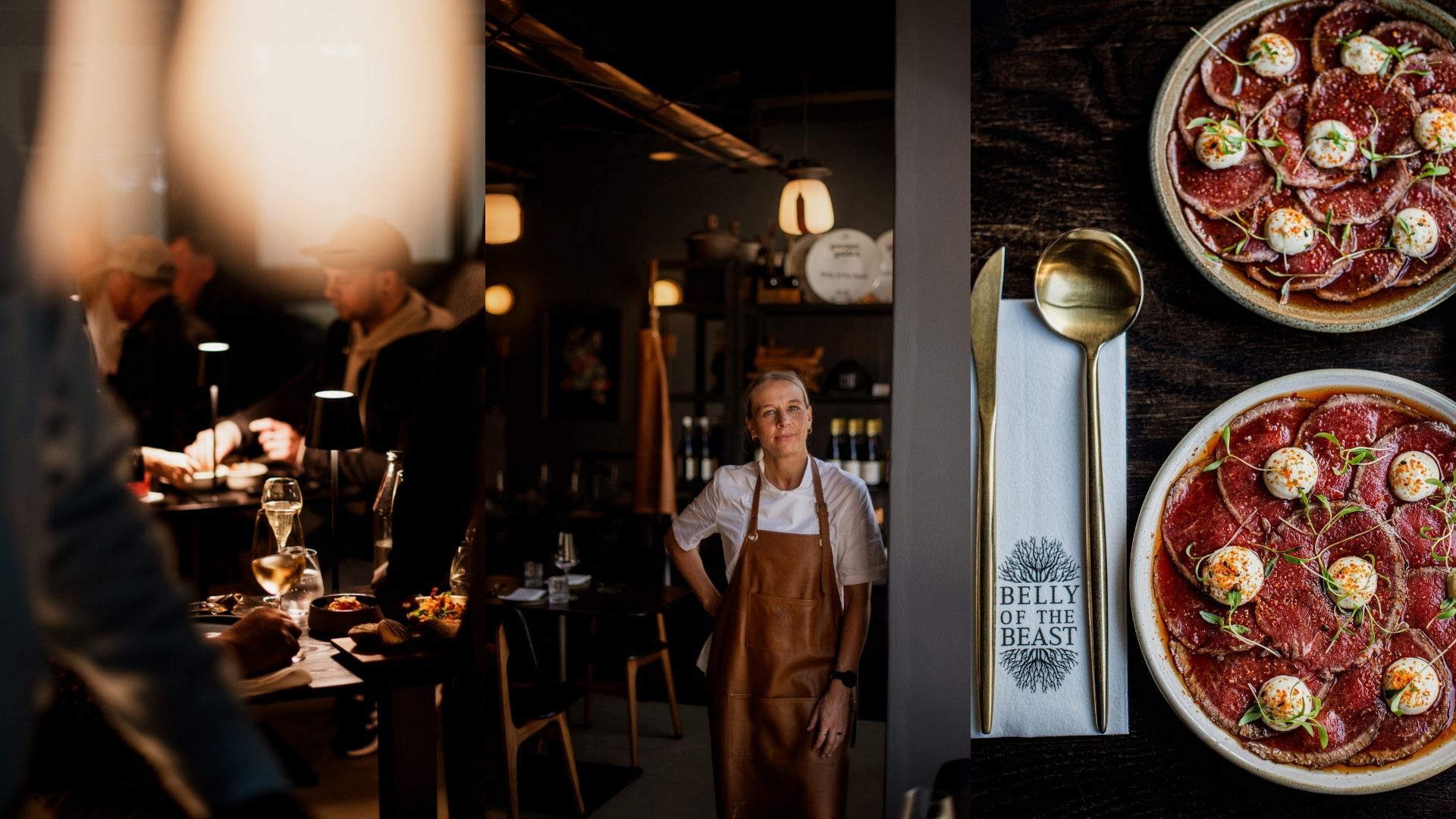
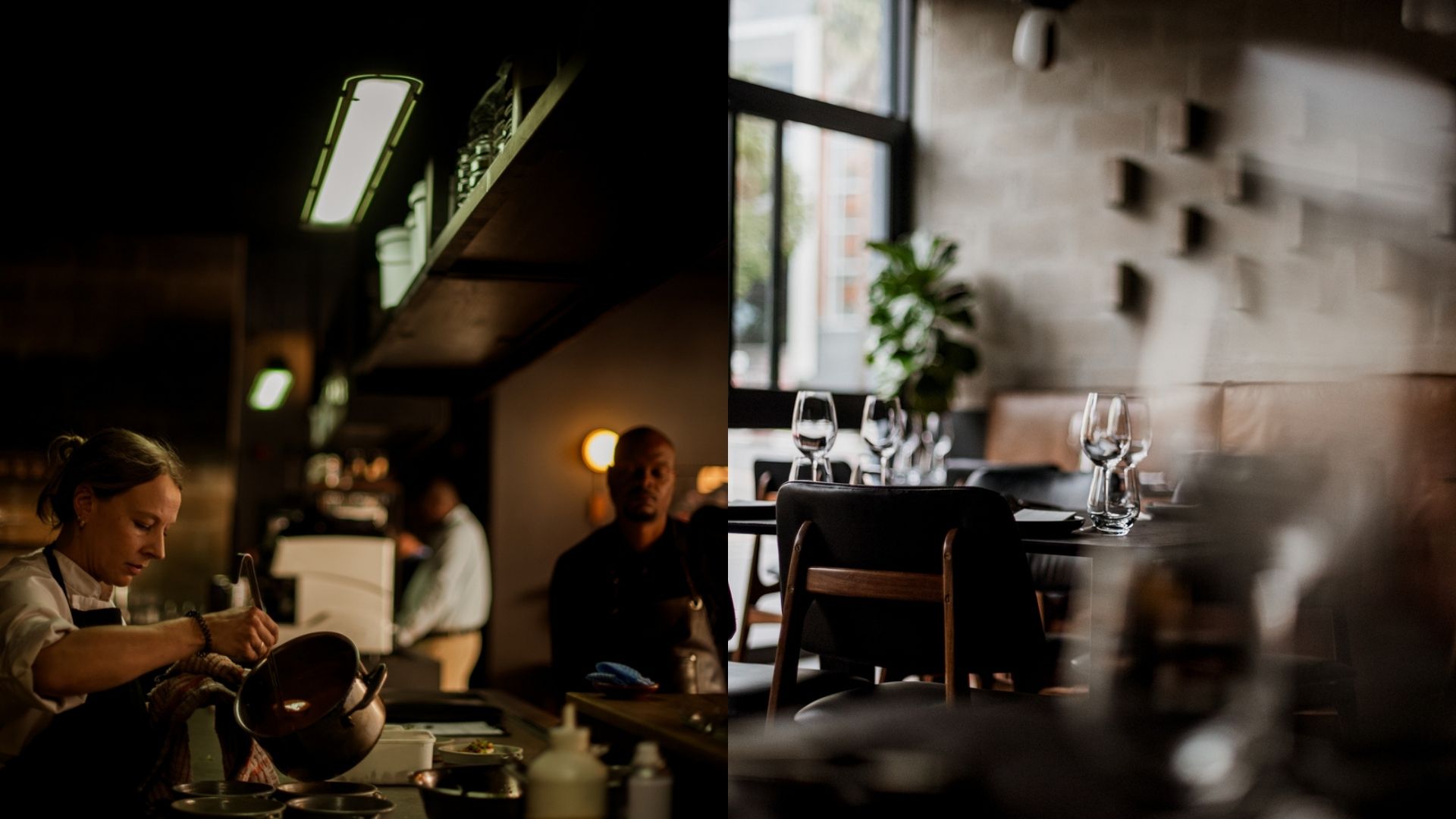
Part of Belly’s success (and that of its sister restaurants) lies in the trust Horn and Swart have built with their guests. “Guests are always in for a surprise, and while we certainly cater for food allergies, they have no time to deliberate over whether or not they will like something. They just have to trust in our ability to make delicious food,” says Horn. There are no menu options or set number of courses, and the tasting menu is never posted on the website; it is rather explained by servers along with informative cards on the table which also tell the story of each dish. This is also a way of pleasantly educating guests about ingredients they may have never tried. There is an emphasis on meat, but the menu also showcases the best of locally sourced seafood and produce. The meal will always be a surprise, with an ever changing bread course named after Kabous, the restaurant’s rolling bread dough since its 2018 opening, which deliciously brings together buttery, earthy and smoky flavours, and perhaps a bite of crispy sweetbread with a cherry sauce, a fragrant lamb methi curry with Pommes Anna, or a dessert riff on peaches and moskonfyt, amongst an infinite number of possibilities.
As the group has grown, so has the need for head chefs to oversee each kitchen so that Horn and Swart can move around, although both partners are deeply involved in menu development, supplier relationships and human resources. The head chef at Belly of the Beast is Odette Olivier, who has been in the kitchen since 2022.
Galjoen
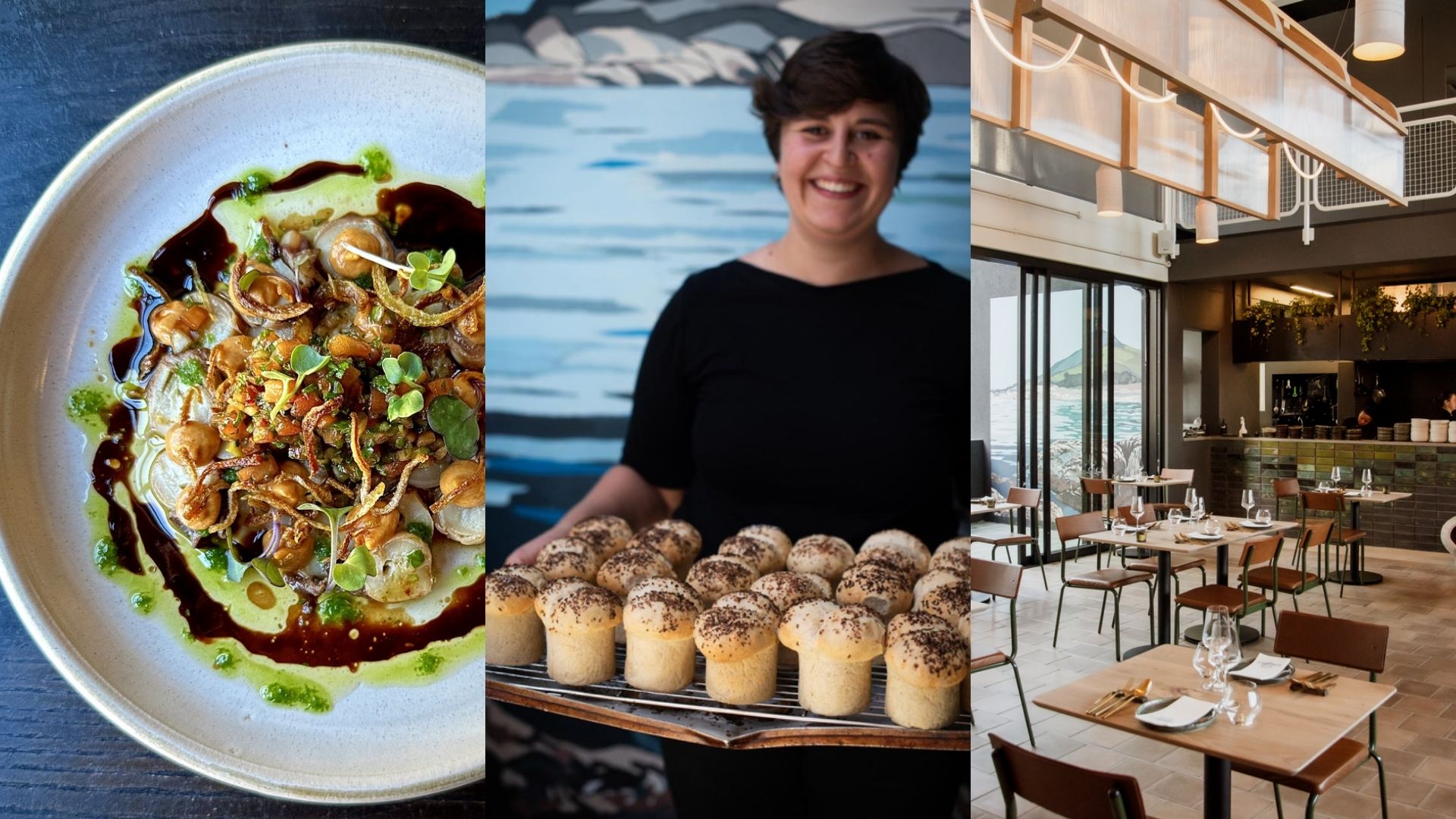
Just a block down the street from Belly is Galjoen, a South African seafood restaurant in a modern semi-industrial space opened by Swart and Horn in 2023. Named after the national fish of South Africa, Galjoen brings the same nostalgic and thoughtfully sustainable approach to seafood as Belly of the Beast does to meat. Simply put, Horn and Swart opened Galjoen because they felt there was no restaurant in Cape Town where one could have an awesome seafood experience with 100% locally sourced product from South Africa. Here, you won’t find Norwegian salmon or Vietnamese prawns or caviar, or meat for that matter: Galjoen is all about local responsibly caught fish, shellfish and foraged sea vegetables from a select group of ethical suppliers. Like Belly, the menu is always a surprise, and could feature anything from a beer battered hake taco with a jalapeño tartare sauce to a beautiful bowl of steamed Saldanha Bay mussels in a white wine and parsley sauce, revved up with pickled onions, parsley oil and fennel flowers.
Head chef Isca Viljoen worked in some of Cape Town’s finest restaurants before taking a position as Sous Chef at Belly of the Beast. She was ripe to lead Galjoen, and since its opening, has worked closely with Swart and Horn to develop an everchanging menu that highlights the wealth and diversity of sustainable South African seafood.
Seebamboes
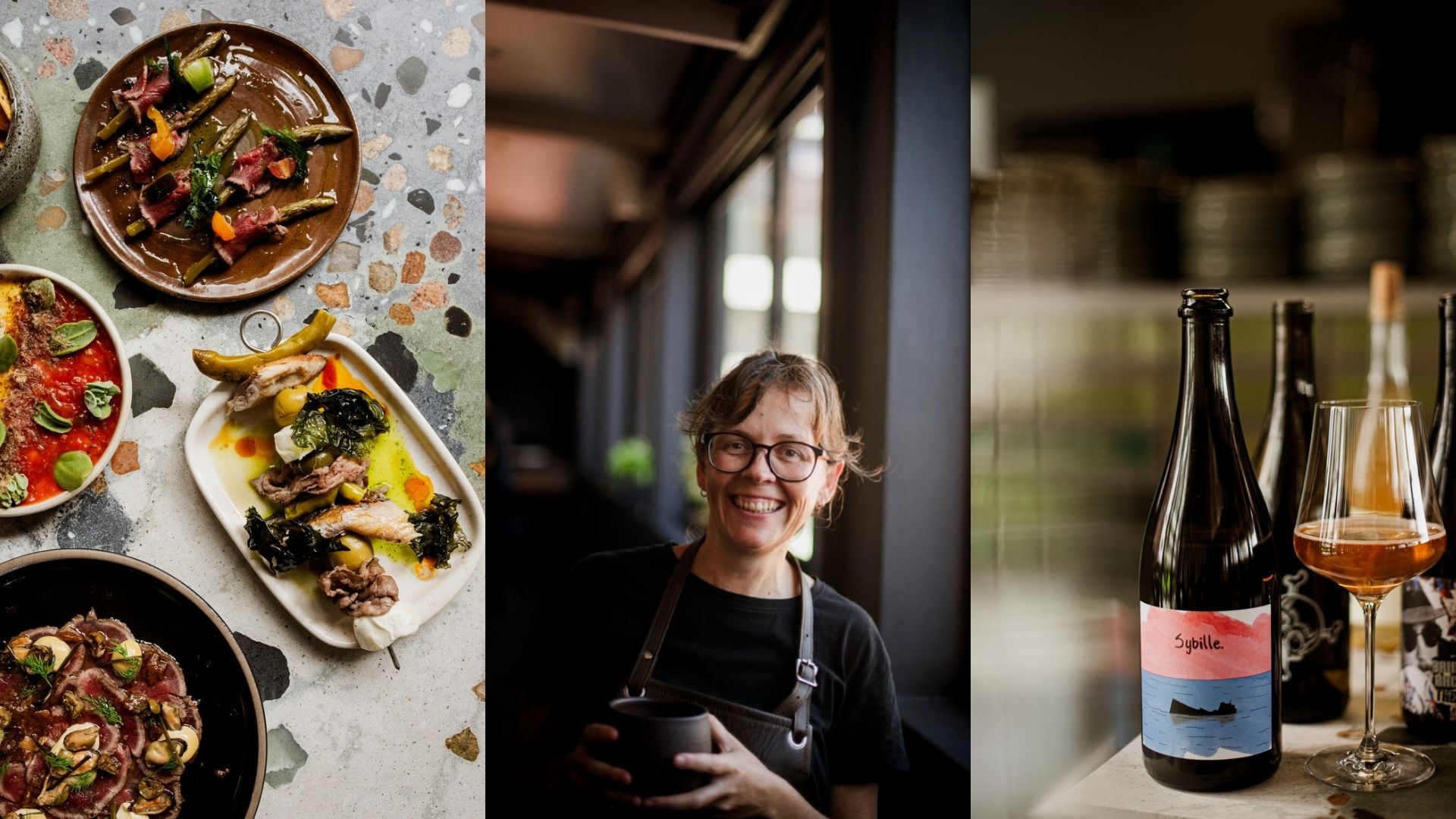
Situated on a mezzanine above Galjoen is Seebamboes, a collaboration between Horn, Swart and the team of chef Adèl Hughes and Front-of-House Manager (and artist) Liebet Jooste. The 16-seat restaurant opened in 2025, with a unique and playful approach to the dated concept of ‘surf and turf’. Hughes, who previously cooked at Galjoen and with Kobus van der Merwe of Wolfgat fame, brings together unlikely and delicious combinations of sea and land, sustainably sourced and foraged, in a highly personal tasting menu experience. Cape Town’s shores are rich with sea plants like seebamboes (the Afrikaans word for kelp which literally translates to sea bamboo), pale green seeslaai (ribbon sea lettuce) and klipkombers (a species related to nori) and land-growing plants like dune spinach and confetti bush. These ingredients are sustainably foraged by the team from Betty’s Bay, Scarborough Beach and even Paternoster, who relish in revealing how they can transform a dish.
Rather than the old surf and turf steak and lobster combo, Seebamboes might bring you a welcoming bite of crispy pork crackling topped with snoek paté and grape, or a toasted lamb-filled pita with tzatziki served with shimmery dressed seebamboes noodles, or even a chocolate chip cookie and seaweed ice cream sandwich. Integral to the experience is a like-minded playful selection of interesting wines from maverick largely Swartland-based producers that celebrates underrepresented varietals and experimental natural practices.
BURI (opening mid 2026)
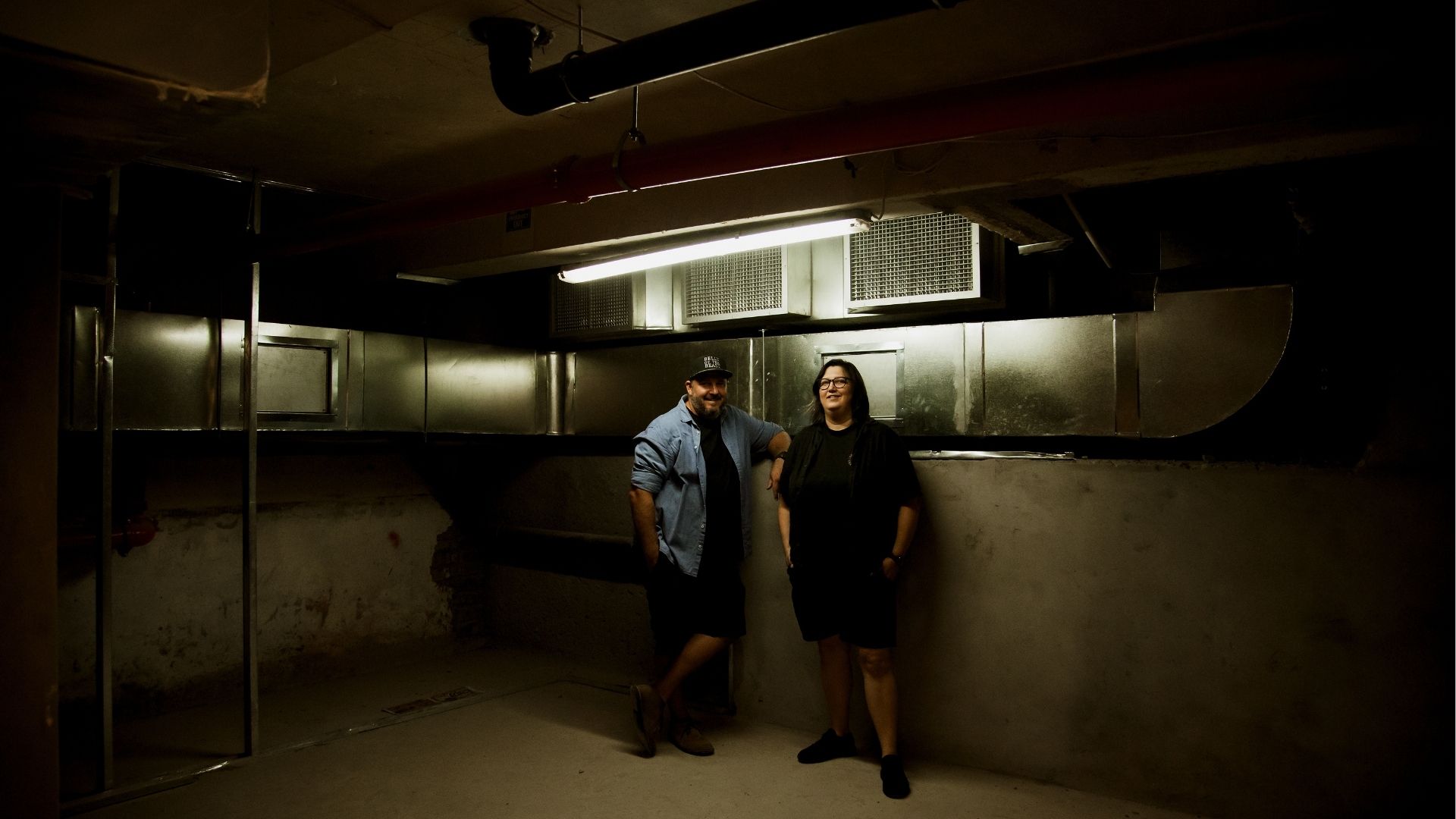
In a city exploding with burger joints, Swart and Horn have once again dug into their collective South African nostalgia and decided to open something more true to home: a boerewors eatery. “At BURI, the goal is straightforward: take the boerewors roll seriously and make it exceptional,” says Swart.
The small ground-floor eatery will have an intentionally pared down and focused menu of boerewors rolls – The Classic and The Double Classic – along with a monthly BURI special that will explore different flavours and sausages. A fun and informal place to stop for a great roll, and a beer on tap.
Quagga (opening late 2026)
Much like Galjoen originated from an identifiable need, a place that would spotlight locally and sustainably caught seafood, Quagga is the realisation of a restaurant focussed solely on local game and venison. Swart is a passionate huntsman: “My earliest food memories are from hunting with my Dad, who was never a trophy hunter, but a meat hunter. We would cook everything we hunted.”
The name Quagga, South Africa’s now extinct zebra sub-species, is a nod to the wild animals that once roamed the Cape. The restaurant’s all game tasting menu will pull from land and sea, in multiple courses that explore the wealth of game dishes. From dry-aged venison to charcuterie to alternative cuts and wild-caught game fish, Quagga will be yet another passion project for Swart and Horn. “We love changing people’s minds, whether it’s about offal or venison, which is the most delicious and healthiest meat when treated properly,” says Swart.
No Show (opening late 2026)
Simply put, No Show will be Belly food with easy access. Same great food; no bookings. With an à la carte menu geared towards people in the restaurant industry who are short on time, locals who just want a quick bite of something delicious, and anyone who loves the group’s food but doesn’t want to sit down for a whole set menu. Some of the restaurants’ most popular dishes, like the standout bread courses which are different on every menu but always a favourite, along with simpler items like burgers and steak will be on the menu, all made with ingredients carefully sourced, just like at the other restaurants.
The name ‘No Show’ is a jab at the industry-wide problem of restaurant ‘no shows’, and this small local spot will be a welcoming place for the neighbourhood, as well as guests who might not have been able to get a booking at the other restaurants – a place where they can enjoy a drink, snack or meal, and in the event of last minute cancellations or no-shows at Belly of the Beast, Galjoen, Seebamboes or Quagga, be redirected.
For press and media assistance in South Africa, contact Lise Manley, of Manley Communications Atelier, via lise@publicity.co.za or call +27 (0) 82 828 5168.