LOCAL WAGYU AND TRADITIONAL JAPANESE YAKINIKU FIRING UP
CAPE TOWN’S EAST CITY PRECINCT
South Africa, Cape Town, 5 March 2026; Sitting side by side in one luxe sustainably appointed space, East City Grill, an elevated contemporary South African steakhouse with Asian sensibility and umami, and Yakiniku, an intimate, interactive and meat-centric Japanese-style grill house are Cape Town’s East City Precinct’s two new sister restaurants. They bring fire, flavour and the best of South African and Japanese ingredients to hip upper Harrington Street, along with a fresh approach to wine and cocktails. At the helm of both is the seasoned team of Executive Chef Jaycee Ferreira, restaurant consultant and Sommelier Marc Botes (formerly of Gordon Ramsay Restaurants in London) and General Manager Wilmo Van Zyl.
Origin Story: Hemp, Steakboyz and Japan
Situated on the first floor of 84 Harrington Street, which at 12 storeys is currently the world’s tallest hemp-constructed building (as certified by the International Hemp Building Council) – the dual concept originated from building developer, owner and hemp activist Duncan Parker, who is a member of a longstanding steak club called The Steakboyz. This group was the inspiration behind creating a steak restaurant. “We’re a group of lifelong friends who love our steak, and eat at a different steakhouse the last Thursday of the month” explains Parker. “With this blank canvas to work with, there was a natural synergy to create a steakhouse with a unique offering and a personal stamp.” The restaurants are also infused with Parker’s passion for anything Japanese, from style and décor to ingredients like single-origin rice and sake.
The sustainability-forward concept grew as intentionally as the building itself, which houses the 50-room hotel and co-working space above the restaurants operated by Neighbourgood. Parker is the co-founder (in 1996) of hemp brand Hemporium, whose flagship store is on the ground floor.
Elandsberg, which is the Parker family farm in the Swartland, is the restaurants’ source of Wagyu. Some 10 years ago, the free-range cattle farm initiated a Wagyu breeding programme in which Australian Wagyu embryos were implanted into the existing Bonsmara herd on the farm and today, the numbers are between 200 to 280 cattle, with the aim for an F2 generation of Wagyu/Angus cross, for the achievement of the best marbling and flavour.
What all this means for East City Grill and Yakiniku, is a built-in supply of ethically raised quality Wagyu (at marble score ratings of A8 and A9, it is exceptionally well marbled, juicy and flavourful) and a sustainable approach to using the whole animal. Working in tandem with two separate concepts, Chef Ferreira can decide which cuts will work best for which restaurant, ensuring there is no wastage. In addition, Parker’s close connections in Japan, which include a premium rice farm from which the restaurant’s Koshihikari rice from Niigata is sourced, bring specialised artisanal products to the table ensuring a more exclusive offering.

Yakiniku: An Elegant Japanese DIY Braai Experience
Grill it; dip it; layer it; top it; wrap it…that’s how it’s done at Yakiniku, the atmospheric Japanese-style grill house where communal grilling at the dinner table gives local buttery Wagyu the perfect sizzle.
Overlooking East City Grill, the intimate 16-seater Yakiniku is modelled after a traditional Japanese yakiniku, a vibrant and social grill where guests cook bite-size pieces of meat and vegetables over a fire at the centre of each table, a cooking style that perfectly renders the rich Wagyu style of beef. Imported from Japan, Yakiniku’s smokeless grills are a South African first: rather than the top-down extractors seen at other local table grilling establishments, these grills draw the smoke down and extract it through ducting in the floors, comfortably drawing diners together over flame and conversation.

The three-course menu begins with a stacked Bento Box, with each of the three layers containing a bite-size starter: a fried beef wonton on meaty mushrooms, fried prawn and corn with a spicy mayonnaise, and tuna tartare. With a flick of a switch, the grill is then ignited and the table set with a generous spread of pickled cucumber, Japanese kimchi, four seasoned salts ranging from plum to yuzu to matcha to mixed peppercorn, signature yakiniku and tonka sauces, a plate of crispy lettuce leaves for wrapping and assorted vegetables for grilling. Last to the table are three plates of jewel-like sliced Wagyu: rump, skirt and Denver, along with individual bowls of Koshihikari rice. This is a fragrant toothsome rice from Niigata prefecture rice paddies that gains extra flavour from mineral-rich melted snow from the nearby mountains. With a little primer from the server, you’re ready to start grilling with your mini tongs, dipping your sizzling meat in the salts and sauces and wrapping it with the deeply flavoured rice into a lettuce parcel with kimchi and cucumber.
After the fire dies down, the experience is completed with a selection of Japanese inspired sweet treats, such as sesame panna cotta, Japanese whiskey namelaka, miso chocolate mousse, and the outrageously delicious Hokkaido cheesecake, dusted with matcha, and served with toasted rice ice cream, crispy rice puffs and ginger curd.
“A meal at Yakiniku is an experience built around interaction, quality and excellence, from the carefully sourced fresh produce to the rice, which is incomparable to what most South Africans have experienced, to the delicate flavourful Wagyu itself,” says Ferreira.

East City Grill: Fiery South African Heritage with an Asian Twist
Locally raised quality meat is the foundation of this big city grill with a strong Asian twist, conceived by a team that loves its meat. From locally farmed Wagyu to premium dry-aged beef from an independent butcher to Swartland lamb, the best of local products meets the grill with sizzle and an interesting mix of South African heritage and Asian accents. Driving the à la carte menu is the team’s commitment to sustainability, especially when it comes to Wagyu: using the whole animal rather than only the prime cuts, down to the tallow used for basting, trim used in sausages and bones used for savoury stocks.

Snacks are South African standards, except better – East City Grill’s own Wagyu beef biltong and droëwors – while the starter section is comprised of one after another enticing small plate: from beef fillet tataki with yakiniku sauce, smoked black garlic mayo and potato crisps, to Wagyu tartare, Wagyu boerewors (served with a cheese and onion braaibroodjie), tempura calamari with togarashi pineapple, and fresh fish nigiri with a ponzu dressing and toasted nori. There’s even a charred lettuce salad with wagyu biltong.
Main courses are further grill-centric, with a selection of steaks – both Wagyu and dry-aged beef – along with chicken yakitori, grilled prawns with miso butter and a few specialities: a compressed beef short rib, a flavour bomb of a Wagyu burger, char-grilled lamb loin chops with tallow and soy basting, and a crispy Katsu sandwich featuring panko-crumbed Wagyu. Sauces are the usual suspects plus more – like an exotic mushroom and chimichurri compound butter. For the potato lovers, East City Grill actually has a Potato Menu, with a selection of hand cut fries, triple fried crispy potatoes, dauphinoise and baked Gruyère mash.

Desserts are an indulgent mix of Western favourites like pannacotta and cheesecake, pimped up with Asian ingredients like miso, yuzu and matcha.
Japanese Mixology and an Unpretentious Gateway to Steak-Friendly South African Wine
The drinks game is high at both East City Grill and Yakiniku with a well-conceived beverage programme managed by sommelier Marc Botes, who has over 20 years of experience in the restaurant and wine world. Botes’ passion for wine led him to join Gordon Ramsay Restaurants in London early in his career. There, he not only learned his craft, but was also exposed to the gamut of European wines, both in London and through field trips to the continent’s great wine regions. Ultimately, he became Head Sommelier for the group.
Resettled and running restaurants in South Africa since 2014, he has created a fresh wine offering which aims to break down barriers which often interfere with wine exploration and enjoyment. The wine list is based on style rather than varietal, divided into sections like Clean and Precise, Dry and Defined, Full and Aromatic, and Rosé and Skin for white wines; and Bright and Juicy, Refined and Restrained, Generous and Framed, Dry and Earthy, and Cabernet and Friends for red wines.

“I really dislike any kind of pretence in restaurants,” says Botes, who believes that wine should be fun, easy and accessible rather than snooty. The wine list is designed to not only give confidence to playfully navigate these categories rather than getting stuck on one varietal, but also to best complement the meat-centric menu. “With steak and Wagyu especially, it’s important to have freshness, acidity and crunch, especially in red wines,” he explains. “This balances with the richness and fattiness of the meat and the char of the grill.” Featured are wines from small producers along with more familiar names, from the Swartland to Stellenbosch to Bot River.
At the bar, the group has enlisted the cocktail expertise of Tetsuo Hasegawa, the lauded Japanese-born master mixologist of Cape Town’s ANTHM Bar. Hasegawa has not only designed an all-star list of signature East City Japanese-influenced cocktails, but has also worked closely with the bar staff in their proper execution. Many of these cocktails require days and even weeks of preparation, as they rely on carefully tended tinctures, shrubs and infusions; drinks like Kyoto Summer, a refreshing and refined mix of Inverroche Amber Gin, Campari, elderflower and grapefruit; and The Empress, which melds together dark rum, unfiltered sake, Amaretto, Frangelico, raisin, coconut water and matcha in a nutty and tropical cocktail.
On the flip side, there’s a riff on the old favourites with the Classic East City Cocktails, such as the East City Grill Sling, Paloma and East Sidecar. Whether you’re a traditionalist or seeking liquid Japanese-inspired excellence, you’ll feel at peace at the dark and sleek bar that divides the lounge from the East City Grill dining room or sinking into the elegant Japanese lounge and tearoom with its fine detail.
A Modern Japanese Interior Warmed by Fire
The landmark 84 Harrington Street building was designed by contemporary, sustainable architecture practice, Wolf + Wolf Architects, who were also principal designers of East City Grill and Yakiniku. Led by Company Director Wolf and Interior Architect Annelise Vorster, the design team set out to interpret an experience based on a love of Japanese culture, with the two restaurants embracing the universal history, power and flavour beholden by flames. Strongly featured are exquisite and bespoke elements and features by local artists and craftspeople.

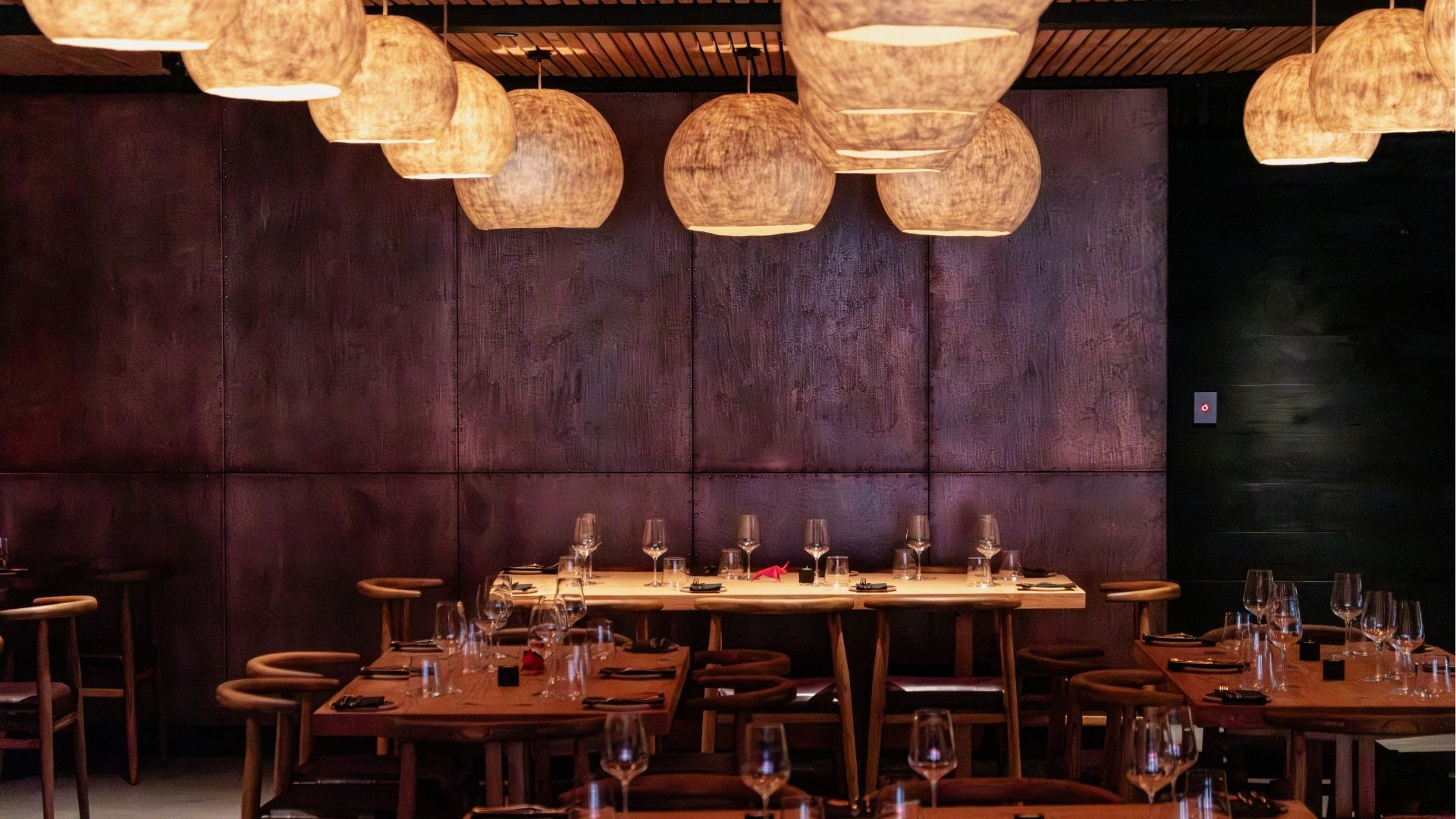
As a contemporary take on a steak house, East City Grill’s interiors are centred around subtle nuances to fire. Soft-lit hand-textured copper panels created by Bronze Age line the walls to create warmth, while timber-slatted walls and ceilings are offset by a Shou Sugi Ban timber wall. This is a traditional preservation technique in which the wood’s surface is charred with fire to create a natural, durable black carbon layer. All of the timber was sourced from Zonnestraal Farm in Constantia, and was moon phase harvested and cured outside for more than five years (it is a major raw material used throughout the building).
For the bar, blackened carbon steel panels are accented with aged patinated mirror and soft indirect lighting, in a glowing focal point which divides the lounge and the dining area.
Local artists and craftspeople were enlisted to create ornamental and functional objects, such as the bespoke Ceramic Bull heads by Shirley Fintz, hand felted wool pendants by fibre artisan Cathy Coates, crystal glazed ceramic side tables Juliet Eidelman and chairs by Vogel.
At Yakiniku, the décor evokes more of the feeling of a traditional Japanese space, peppered with contemporary elements of beauty. The tea room/lounge is essentially an indoor sculptural garden created around the concept of Kaiseki, the art of Japanese dining, and the culture’s reverence for natural stone. The focal point is a cherry blossom sculpture, a collaborative work between four artists which encapsulates the interplay between the delicate and the permanent. Intricate pressed glass panels are fixed to a hand detailed cast bronze stem, which in turn originates from a 450-kilogram hand carved Paarl granite boulder set upon a heavy locally sourced timber base.

At the centre of this calm space is a curved sofa symbolising a scenic stone, with additional seating radiating around it, all enveloped by a canopy of Japanese hemp and paper lanterns.
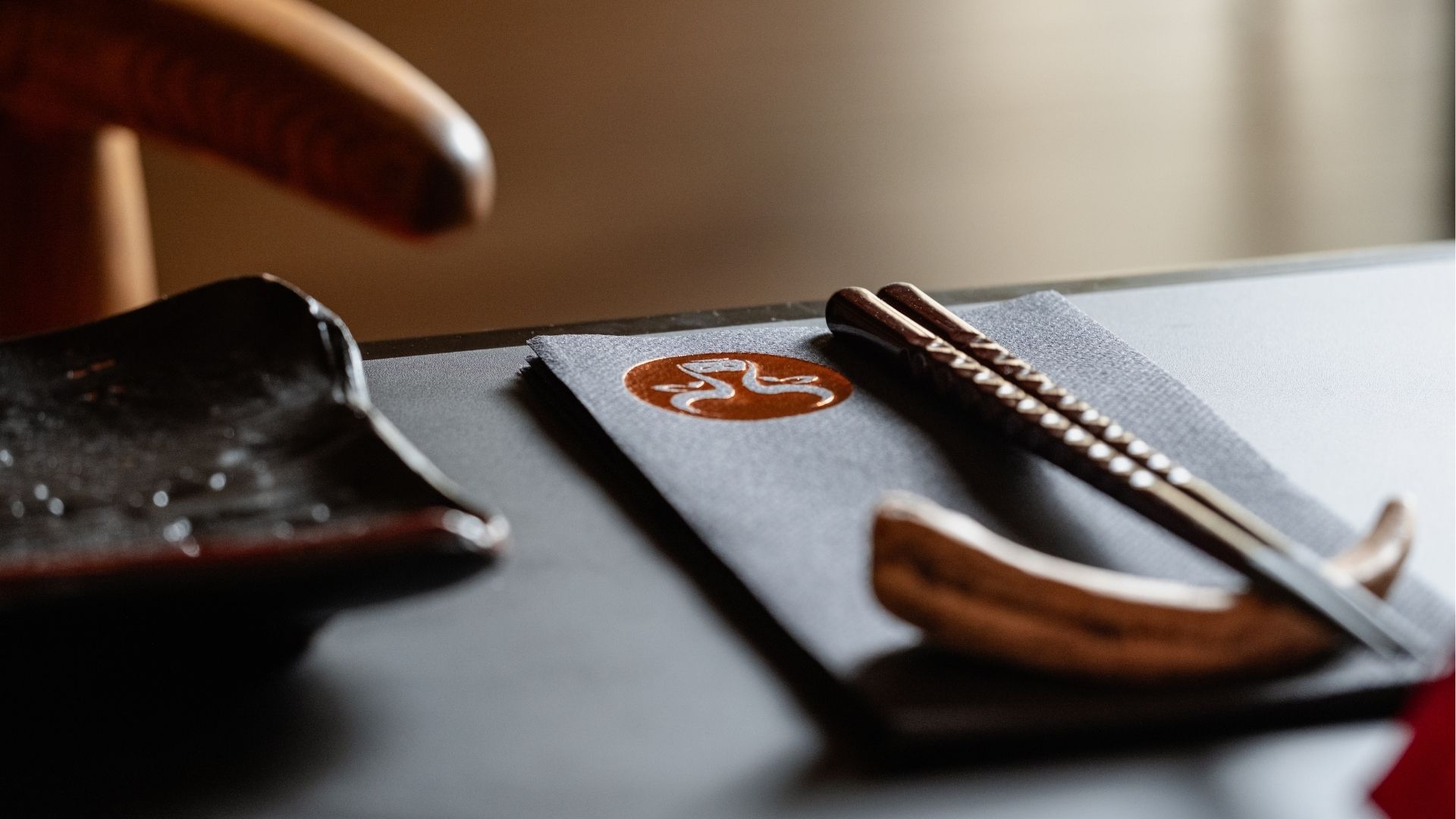
A mysterious red passage leads from the lounge to the Yakiniku dining room, which is simple, intimate and Zen-like. The room sits on a raised timber platform and is enclosed by screens showcasing custom-created Japanese figurines. Its natural colours are punctuated by red woven seating, black tables inlaid with smokeless yakiniku grills, and beautifully crafted chopsticks, crockery and grilling tongs.
Located at 84 Herrington Street, District Six, Cape Town, East City Grill and Yakiniku are open for lunch and dinner, Tuesdays through Saturdays. Book both restaurants online via www.eastcitygrill.co.za.
For press and media assistance contact Ian and Lise Manley of Manley Communications Atelier via premierbrands@publicity.co.za